Should Liquor Be Refrigerated After Opening?
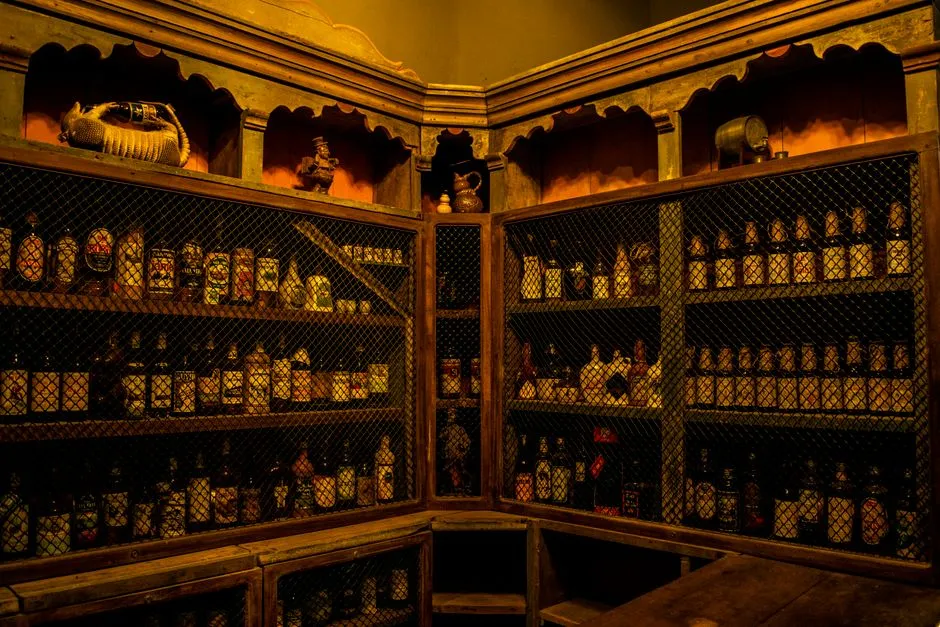
- Should liquor be refrigerated after opening?
- What does “serve chilled” tell you about storage?
- Which bottles belong in which storage group?
- Why does opened vermouth get priority?
- Do cream liqueurs automatically need refrigeration?
- Can whiskey go in the freezer instead?
- How should you allocate a small refrigerator?
- What belongs on the bar cart afterwards?
- Sources
Should liquor be refrigerated after opening?
Refrigerate a bottle when its label or producer requires it after opening; serving something cold is a separate decision. Martini recommends refrigeration for opened vermouth, while Baileys says refrigeration is unnecessary within its specified storage conditions. Check the exact product before assigning refrigerator space. This guide is for adults of legal drinking age: keep alcohol inaccessible to children and pets, and never drink more to clear storage space.
The useful question is not whether a bottle can fit beside the milk. It is whether cold storage is required, optional for serving, or contrary to the producer's recommendation. Those answers lead to different homes for the bottle.
What does “serve chilled” tell you about storage?
Look for separate instructions headed storage, after opening, and serving. A photograph of a frosted glass does not answer the storage question. Neither does the presence of a bottle behind a restaurant bar.
One unusually clear example is Kahlúa Dunkin’ Cream Liqueur's US product page. It says refrigeration after opening is unnecessary when the product is kept in a cool, dry place, but suggests the refrigerator for those who want it chilled. That is a producer explicitly distinguishing storage from serving preference.
Keep that distinction attached to the named product. It does not establish instructions for every coffee liqueur, every cream drink, or a homemade mixture. Our recommendation is to give required cold storage priority over optional chilling when space is limited.
Which bottles belong in which storage group?
These are desk-researched examples, not results of storage tests. Match your bottle and market to its current label and producer guidance before using the table.
| Named example | Producer's storage direction | Space decision |
|---|---|---|
| Absolut vodka | Upright at room temperature, away from heat and sunlight | No permanent refrigerator slot follows from that guidance |
| Martini vermouth, opened | Refrigerate | Reserve refrigerator space |
| Baileys | Refrigeration unnecessary; 32°F–77°F, out of direct sunlight | Check whether the intended cupboard meets those conditions |
| The Macallan whisky | Room temperature, 15–18°C; avoid freezer storage | Find a suitable non-freezer location |
| Kahlúa Dunkin’ Cream Liqueur, opened | Cool, dry storage; chilling optional | Treat refrigerator space as optional for this product |
Absolut's US FAQ supplies the vodka example. Choosing a cupboard from that instruction is a storage decision, not a claim that every vodka formulation has identical requirements. A different product needs its own check.
Why does opened vermouth get priority?
Martini's guide describes vermouth as fortified wine and directs refrigeration after opening for both sweet and dry styles. A bar-cart position should therefore not become its permanent storage place merely because the bottle looks similar to nearby spirits.
Reserve required refrigeration space before allocating room for optional chilled drinks. Postpone opening a bottle if suitable space is unavailable. Do not finish an open bottle faster to resolve that constraint.
Cold storage and remaining shelf life are different questions. Use the separate opened-bottle shelf-life guide for producer-specific time limits; moving a bottle into the refrigerator does not supply a new opening date.
Do cream liqueurs automatically need refrigeration?
Check the product. Baileys' US FAQ specifies 32°F to 77°F away from direct sunlight, with no refrigeration requirement. Its Original guidance also states 0–25°C. Those limits are not universal.
If the cupboard exceeds the stated range, it has not passed the check. Ask the producer about that bottle rather than guessing from the words “cream” or “alcohol.”
Can whiskey go in the freezer instead?
The Macallan's storage guidance advises against freezer storage: very cold whisky can have dulled flavours and become cloudy. It says the cloudiness clears at room temperature and recommends storage between 15 and 18°C. This is a quality-based recommendation from that producer, not evidence that all cold-exposed bottles are unsafe.
Freezer space is not a substitute for a missing suitable location. Another spirit's instructions do not establish suitability for your product and container. Ask its producer if guidance is unclear.
How should you allocate a small refrigerator?
For a refrigerator also holding food, FDA guidance calls for 40°F or below, checked with an appliance thermometer. It also warns against overpacking because cold air must circulate. That is food-refrigerator guidance, not an instruction to chill every spirit to that temperature.
Our suggested planning order is required food storage, bottles requiring refrigeration, then optional chilling only if room remains. Follow the appliance manual's shelf and door-bin limits. Do not force a tall bottle into a compartment or obstruct the door's closure. A display cart is not a replacement for required refrigeration.
Use this original worksheet before reorganising:
- Identify the bottle. Write the full product name and variant, not just “liqueur.” Keep the label accessible.
- Record the controlling instruction. Separate the producer's after-opening direction from a serving suggestion. Note the page or label you checked.
- Name a location. Write a specific cupboard or refrigerator compartment, rather than “somewhere cool.”
- Check the proposed location. Compare it with the stated conditions and the appliance's permitted storage arrangement.
- Resolve any unanswered question. Ask the producer about the exact product; do not fill a blank with another brand's rule.
Imagine a household worksheet with three hypothetical entries: one requiring refrigeration, one allowing cupboard storage, and one with unclear instructions. The first needs a confirmed refrigerator location. The second can be considered for the suitable cupboard. The third remains an unanswered question; it does not automatically inherit whichever location is easiest. This is a planning example, not a tested preservation method.
Make the record usable by someone who did not arrange the bottles. “Upper cupboard, left side” is a more useful location entry than “usual place.” Put a change of location on the same record rather than starting a second list. If two adults share the storage area, agree which copy is current.
For an unresolved bottle, prepare a specific producer enquiry: identify the variant, quote the label's storage wording, describe the intended location, and ask whether the instruction changes after opening. Save the response with the record. This avoids repeatedly searching a broad question and applying answers intended for a different product.
What belongs on the bar cart afterwards?
Put the finished location list beside your broader home bottle-storage plan. If choosing furniture, compare a cart with a cabinet after establishing the bottles' requirements. Decorative capacity and suitable storage capacity are different measurements.
Do not use a taste test to settle a safety concern. FDA notes that food can be unsafe without looking, smelling, or tasting spoiled. Keep a questionable bottle out of use and contact its producer about the product and storage history. Refrigerator space is worth reorganising; drinking more to make room is not the solution.